dongchuanwl


Submit your requirements to us, and we will contact you within 24 hours.
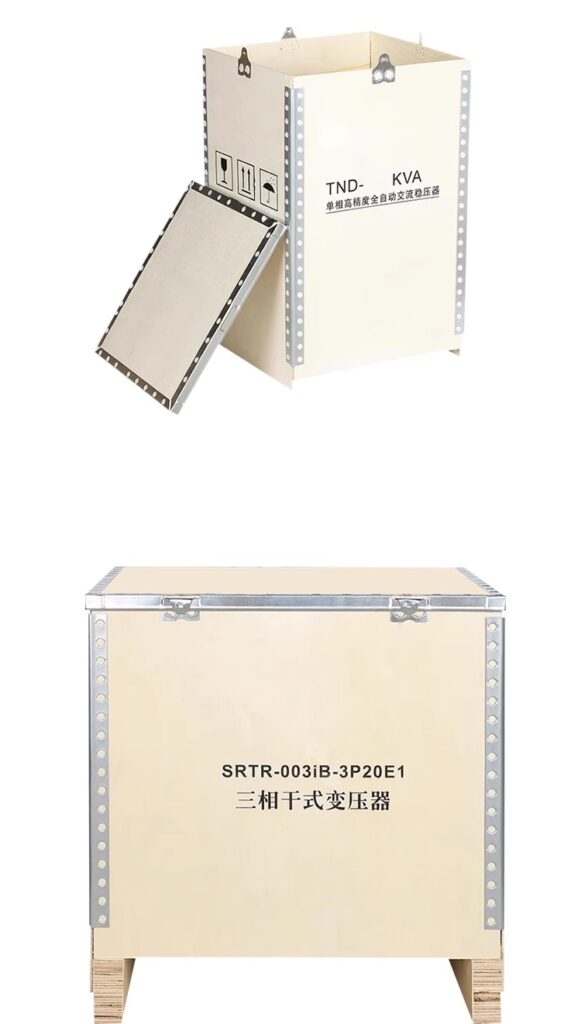
The Non-Fumigation Plywood Crate
In the intricate ballet of global trade, where goods crisscross oceans and continents, there’s a silent, sturdy guardian that often goes unnoticed: the shipping crate. For centuries, wood was the undisputed champion. But then, a problem emerged, tiny yet formidable enough to bring international shipping to a halt: pests.
This is the story of how a simple, ingenious innovation—the non-fumigation plywood crate—solved a global dilemma and became the gold standard for smart logistics.
The Problem with the Classic Wooden Box
Imagine a humble pallet or crate made of solid wood. It’s strong, reliable, but it has a secret life. Hidden within its fibers and bark could be insect eggs, larvae, or fungal spores—stowaways with the potential to become invasive species in a new country.
To prevent this ecological and agricultural disaster, the International Plant Protection Convention (IPPC) introduced ISPM 15, a global standard. It mandates that all solid wood packaging material (over 6mm thick) used in international trade must be heat-treated or fumigated to kill any pests. This process involves heating the wood to a core temperature of 56°C for at least 30 minutes or using methyl bromide, a potent fumigant.
While effective, this adds layers of complexity:
- Time: The process requires scheduling at a certified facility.
- Cost: The treatment and the official stamp (the “bug stamp”) cost money.
- Hazard: Fumigation, in particular, involves toxic chemicals, raising safety and environmental concerns.
The Elegant Solution: Engineered for Simplicity
Enter the hero of our story: the Non-Fumigation Plywood Crate.
Why is it exempt from the cumbersome ISPM 15 regulations? The secret lies in its construction.
Plywood is an engineered wood product. It’s made by peeling logs into thin veneers, which are then dried in high-temperature kilns. These veneers are cross-laminated and bonded with durable adhesives under immense heat and pressure.
This manufacturing process is, in itself, a lethal environment for pests. The high-temperature drying eliminates any moisture, a prerequisite for biological life. By the time the plywood is pressed and ready, it is essentially sterile—free from the pests that regulations aim to control. Therefore, it is considered a “low-risk” material and does not require further treatment.
Why Your Business Should Care: More Than Just a Rule Bypass
Choosing non-fumigation plywood crates isn’t just about following rules; it’s a strategic business decision.
- Speed and Efficiency: No waiting for treatment schedules. Your crates can be built and shipped immediately, accelerating your supply chain.
- Cost-Effectiveness: You eliminate the direct costs of heat treatment or fumigation and the associated logistics.
- Consistent Strength & Durability: Plywood’s cross-laminated structure gives it exceptional strength and resistance to warping, cracking, and splitting, offering superior protection compared to some solid woods.
- Lighter Weight (Often): Plywood can be lighter than solid wood of comparable strength, potentially reducing shipping costs.
- Environmental Kudos: By avoiding chemical fumigants and using wood from sustainably managed forests (look for FSC or PEFC certification), you’re making a greener choice.
Not Just for Any Box: Knowing the Limits
While brilliant, this solution has its place. Non-fumigation crates are typically made from thinner plywood sheets (usually under 6mm for the panels, though the frame can be thicker). For extremely heavy, high-value machinery, a structural frame of heat-treated lumber with plywood sheathing might still be the best option. Always consult with your packaging specialist.
The Bottom Line
The non-fumigation plywood crate is a perfect example of innovation meeting regulation. It’s a product born from necessity, refined by engineering, and celebrated for its practicality. It’s the smart, swift, and sustainable choice for navigating the complex web of international shipping, ensuring your products arrive safely and your business moves efficiently.
So, the next time you see a sleek plywood box ready for export, remember—it’s not just a container. It’s a testament to human ingenuity, quietly keeping global trade—and the world’s ecosystems—safe and sound.